What is Aluminum Window Extrusion Profiles for Global Buyers?
In the competitive realm of construction and architectural design, Aluminum Window Extrusion Profiles have emerged as a key component. These profiles are engineered for durability, aesthetic appeal, and flexibility in design. According to a recent market report, the global aluminum extrusion market is projected to reach USD 130 billion by 2025, underscoring the growing demand for aluminum products, including window profiles.
Aluminum Window Extrusion Profiles are designed to meet various needs. They offer excellent thermal performance and resistance to corrosion. These qualities enhance energy efficiency in residential and commercial buildings. However, challenges remain. The recycling and sustainability of aluminum production are critical topics that require more attention. As aluminum is infinitely recyclable, businesses must focus on responsible sourcing and manufacturing processes.
The industry faces pressures such as rising raw material costs and fluctuating demand. Buyers must navigate these complexities while seeking high-quality aluminum profiles. Understanding the nuances of Aluminum Window Extrusion Profiles is essential for making informed decisions. This knowledge empowers global buyers to select the best options for their architectural needs, ensuring a balance between performance and environmental responsibility.
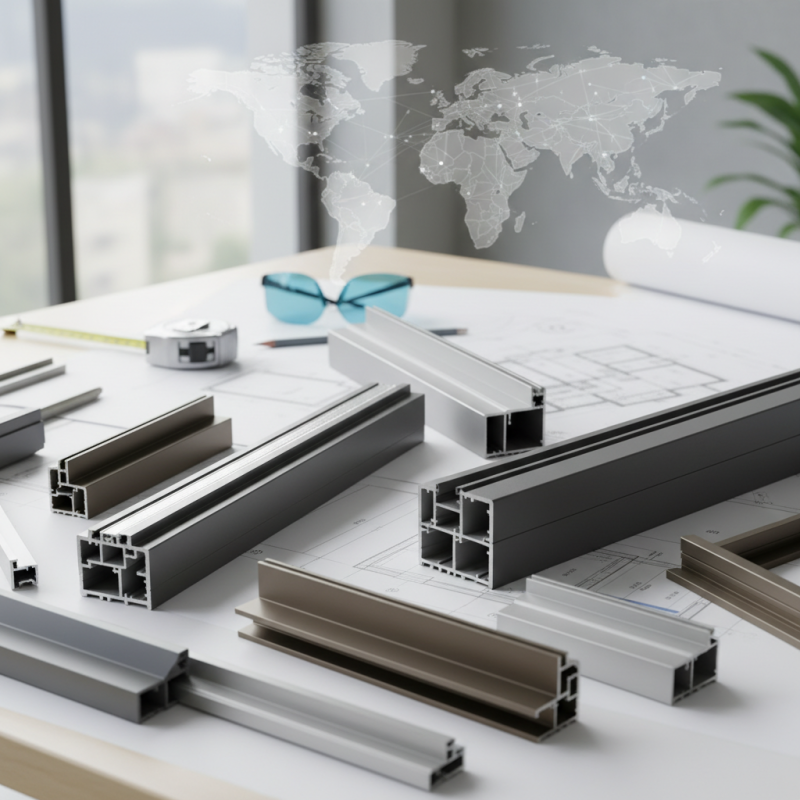
What Are Aluminum Window Extrusion Profiles and Their Applications?
Aluminum window extrusion profiles represent a critical component in modern architecture. These profiles are crafted through an intricate process where aluminum is shaped into specific forms to enhance functionality. The demand for aluminum window profiles is projected to grow at a rate of 6.5% annually, highlighting their importance in the building industry.
These profiles serve multiple applications, including residential and commercial buildings. They provide lightweight, durable frames that are resistant to corrosion. According to a report by Research and Markets, the global aluminum extrusion market is valued at $68 billion as of 2022, underlining the material’s wide acceptance. A significant portion of this market is driven by energy efficiency trends. Aluminum window profiles can accommodate thermal breaks, which improve insulation.
However, challenges exist in optimizing design for energy efficiency versus weight. Striking this balance can often require extensive testing and adjustments during manufacturing. The need for precise specifications can lead to increased costs and longer lead times. Often, stakeholders must reevaluate their designs to ensure compliance with energy standards while maintaining structural integrity. This ongoing process is crucial for sustainable development in the construction sector.
Key Benefits of Using Aluminum for Window Extrusion Profiles in Construction
Aluminum has become a preferred material for window extrusion profiles in construction. Its lightweight nature allows for easy handling and installation. Many builders appreciate the flexibility it offers for various designs. Aluminum can be extruded into complex shapes, enhancing architectural creativity. It holds up well to weathering and is resistant to rust. This makes it ideal for both residential and commercial buildings.
One significant benefit of aluminum is its energy efficiency. It can be treated to enhance thermal insulation. This helps reduce heating and cooling costs in buildings. Additionally, aluminum profiles can be finished in various colors. This versatility allows for aesthetic appeal while maintaining functionality. However, builders must consider the initial cost. Despite being more expensive upfront, the longevity and low maintenance of aluminum often outweigh these concerns.
Using aluminum also comes with challenges. It conducts heat well, which might necessitate specific design considerations. Architects must think carefully about its thermal performance. Another consideration is the environmental impact of aluminum production. It requires significant energy to produce, though recycling aluminum is highly effective. Balancing these factors is crucial for responsible construction projects.
Global Market Trends in Aluminum Window Extrusion: 2023 Industry Insights
The aluminum window extrusion market is witnessing significant trends in 2023. With a projected compound annual growth rate (CAGR) of 6.2%, the industry is evolving. Key drivers include an increase in residential construction and renovations. Energy efficiency is a priority. Homeowners seek sustainable and durable materials.
Regional analysis shows Asia Pacific leads in production. The demand for aluminum windows is robust, especially in China and India. These countries invest heavily in infrastructure. In North America and Europe, eco-friendly solutions gain traction. Industry reports indicate a parallel rise in demand for thermal break profiles, increasing energy savings.
Despite this growth, challenges persist. The fluctuation in raw material prices causes uncertainty. Additionally, manufacturers face pressure to comply with environmental regulations. Adapting to these market shifts is essential for success. Innovations in design and technology can offer hope. The aluminum window extrusion market remains dynamic and competitive. Embracing these insights will be crucial for stakeholders.
What is Aluminum Window Extrusion Profiles for Global Buyers? - Global Market Trends in Aluminum Window Extrusion: 2023 Industry Insights
| Region | Market Size (Million USD) | Growth Rate (%) | Key Trends |
| North America | 1,200 | 5.2 | Increasing demand for energy-efficient solutions |
| Europe | 1,500 | 4.8 | Sustainability initiatives and eco-friendly designs |
| Asia-Pacific | 2,000 | 6.5 | Rapid urbanization and infrastructure development |
| Latin America | 400 | 3.9 | Growing construction sector and modernization |
| Middle East & Africa | 300 | 3.0 | Increased investment in residential projects |
Standard Sizes and Specifications for Aluminum Window Extrusion Profiles
Aluminum window extrusion profiles are essential components in the modern construction industry. They provide strength, durability, and aesthetic appeal. Standard sizes typically range from 1.5 mm to 3 mm in thickness, ensuring they meet various structural requirements. According to the Aluminum Association, the demand for aluminum extrusion is set to grow by 5% annually. This increasing trend highlights the importance of adhering to specific specifications.
When considering extrusion profiles, it’s vital to understand the available dimensions. Common heights for profiles can be anywhere from 40 mm to 100 mm. Widths often fall between 50 mm and 120 mm, tailored for different window designs. Proper knowledge of these specifications can significantly impact both functionality and aesthetics.
Tips: Always verify if the profiles meet industry standards, such as those from the Aluminum Design Manual. It is important to consider your project needs. Not every profile fits all conditions. Prior planning can prevent costly mistakes.
Future Innovations and Sustainability in Aluminum Extrusion Technology
Aluminum extrusion technology is evolving rapidly. It focuses on innovations that enhance sustainability. The industry has seen a shift towards eco-friendly practices. Manufacturers are exploring recycled materials. This reduces waste and energy consumption.
Future innovations in aluminum extrusion include advanced techniques. These methods improve both energy efficiency and product durability. Automation plays a crucial role. By integrating AI and robotics, companies can optimize production. This not only speeds up processes but also minimizes errors.
Tips: When selecting aluminum window extrusion profiles, consider sustainable options. Assess the lifecycle of the materials. Check for certifications that reflect environmental standards. Engaging with suppliers who prioritize transparency ensures responsible sourcing. The industry can sometimes fall short in communication. Always ask questions and seek clarity.