How to Choose the Right Door Hardware for Your Home?
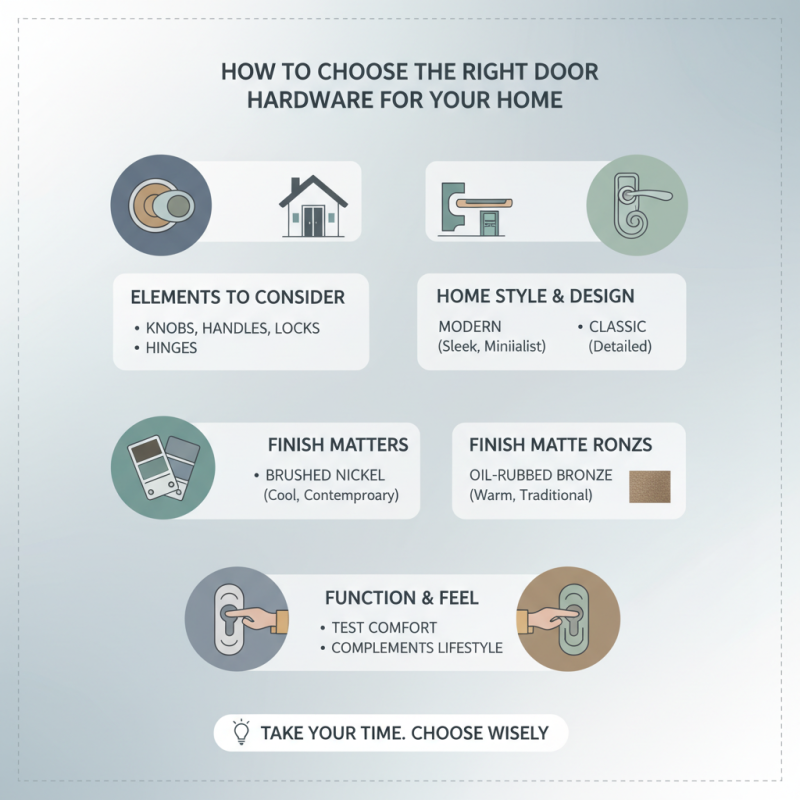
Choosing the right door hardware is essential for any home. The right pieces add style and security. Door hardware includes knobs, handles, locks, and hinges. Each element plays a vital role in your home’s overall design and safety.
Consider your home’s style. A modern home may benefit from sleek, minimalist hardware. In contrast, a classic home may look better with ornate designs. Also, consider the finish. Brushed nickel or oil-rubbed bronze can create distinct looks. Each choice impacts both form and function.
Inevitably, mistakes can happen. Maybe you’ll choose hardware without testing how it feels in hand. Or, you might overlook how the finish complements your home. Take your time reflecting on what you want. Door hardware shouldn't just look good; it should also suit your lifestyle.
Understanding Different Types of Door Hardware and Their Functions
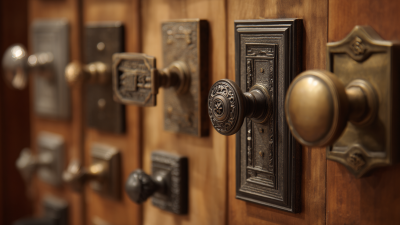
Choosing the right door hardware can significantly enhance both the functionality and aesthetic of your home. Various types are available, each serving a different purpose. For instance, knobs and handles are essential for doors. They allow easy access and add style. Some prefer traditional round knobs, while others opt for sleek levers.
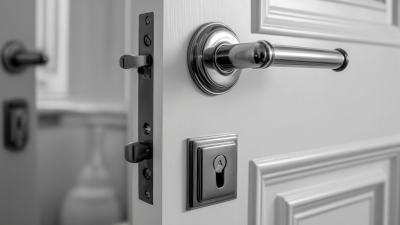
Locks are another critical component. They provide security and peace of mind. Deadbolts offer a higher level of protection compared to standard door locks. However, not all locks are equally effective. Homeowners should evaluate their security needs carefully. Additionally, doorknobs can be more challenging for people with limited dexterity. Consider these factors to ensure everyone in the home can use the doors comfortably.
Hinges are often overlooked but are just as important. They support the door’s weight and allow it to swing smoothly. Rust and wear can reduce their effectiveness over time. Regular maintenance is necessary yet often ignored. Remember that aesthetics and functionality should go hand in hand when selecting your door hardware. This balance can transform your home from ordinary to extraordinary.
Evaluating the Aesthetic Style of Your Home for Door Hardware Selection
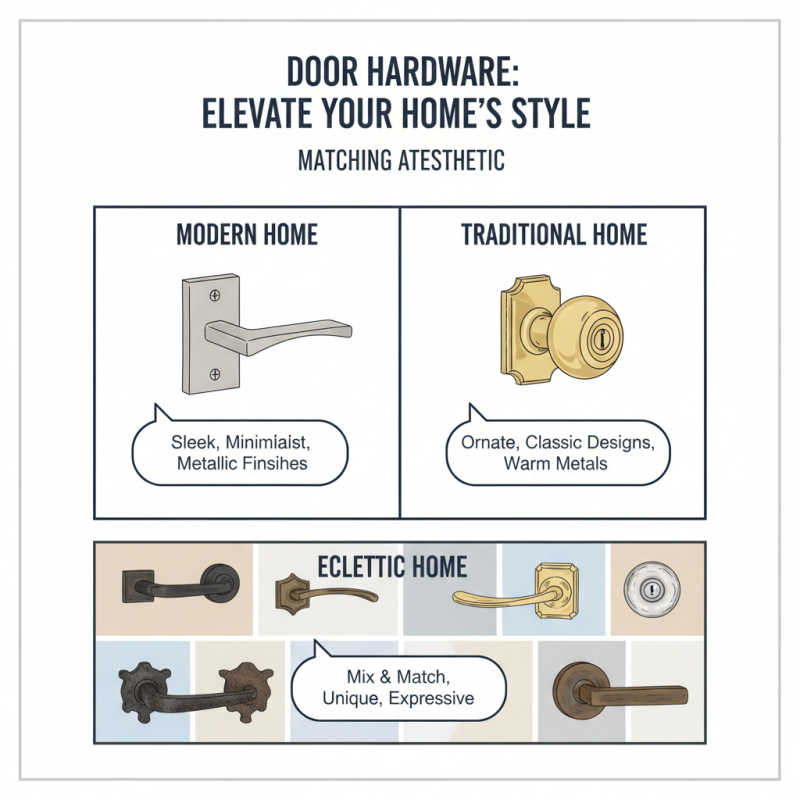
Choosing door hardware that complements your home’s aesthetic is essential. Consider the overall style of your space. Is it modern, traditional, or eclectic? Each style influences your hardware choices. For a modern home, sleek and minimalist designs often work best. Think about simple lines and metallic finishes. These details can elevate your space.
In contrast, a traditional home often calls for more ornate styles. Look for classic shapes and finishes that reflect timeless elegance. You might choose brass or antique bronze for that vintage feel. Eclectic spaces allow for unique combinations. Don't hesitate to mix materials and styles. This approach adds personality but can be tricky. Ensure everything harmonizes to avoid visual chaos.
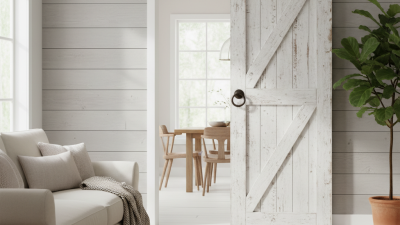
While choosing, reflect on your home’s color palette. Light colors may benefit from darker hardware for contrast. Dark spaces might shine with lighter options. Take your time to explore various combinations. This process can be overwhelming, yet rewarding. Balance aesthetics with functionality to achieve the best results.
Determining the Right Material for Durability and Security Needs
Choosing the right door hardware is crucial for any home. The material of the hardware greatly impacts durability and security.
Metal, wood, and composite materials all offer different benefits. Metal is often considered the strongest choice for security.
Stainless steel and brass resist wear and corrosion well.
Wood adds charm but may not be as durable in harsh conditions. Composite materials can provide a balance between aesthetics and strength.
They often resist moisture and are lighter than wood. Finding the right fit can feel overwhelming. We might overlook the specific conditions where the hardware will be used.
Consider the climate and location of your home.
Some materials perform better in humidity or extreme weather.
Security needs should guide your choice too. Think about how often you use each door. High-traffic areas need stronger hardware.
It’s easy to make assumptions about what looks nice. However, practicality often matters more in the long run.
Choose wisely, and the right door hardware can enhance both security and style.
Measuring and Assessing Door Compatibility for Hardware Installation
Measuring and assessing door compatibility is crucial for a successful hardware installation. Different door types require specific hardware suited to their design. The National Association of Home Builders reports that about 50% of homeowners overlook this vital step. This often leads to mismatched hardware or improper functionality. Ensuring precise measurements can save time and money.
Start by measuring the door thickness. Most standard interior doors range from 1 ¾ inches to 2 inches. Check the backset measurement too. Typically, it varies from 2 3/8 inches to 2 ¾ inches. Many homeowners forget these details, creating issues later. Keep in mind that door material affects compatibility as well. Wood, fiberglass, and metal doors may need different types of screws or plates.
Lastly, assess the door's swing direction. This can influence the use of certain hardware types. Reports from industry experts show that improper assessments can lead to a 30% increase in installation costs. Make sure to thoroughly check all components before making a purchase. Such diligence can prevent headaches during installation and ensure that your door hardware functions perfectly.
Exploring Budget Considerations and Options for Door Hardware выбор
When considering new door hardware, budget plays a critical role. Prices can vary widely based on materials and styles.
Basic doorknobs might cost around $10, while high-end options can exceed $100.
It's essential to balance quality and price. Cheap hardware can save money but might not last long. Reflect on how often you use the doors in your home.
Frequent use requires more durable choices.
Think about your home's style and design. Rustic homes might benefit from vintage hardware. Modern homes often suit
sleek, minimalistic designs. However, it’s tempting to go for the latest trend. Sometimes, a timeless look is more fitting.
Identify what truly complements your space. Visualize how various choices will enhance or detract from your overall aesthetic.
Consider installation costs as well, especially if you aren't handy. Sometimes, saving on the hardware leads to spending more
on installation. Weigh these factors carefully. It’s easy to overlook small details. Yet, these pieces contribute significantly to your
home's function and style. Ensure every choice aligns with your vision and budget.